France keeps interior minister after weekend unrest
Macron rejects his resignation as the government imposes localized night-time restrictions.
Symbolic AI-generated editorial illustration: an empty podium, the French flag and the Paris skyline. It is not a documentary photograph and does not depict a specific event. AI-generated editorial illustration by OPINA NEWS 24; not a documentary photograph.
After a weekend of unrest and looting, authorities introduced night-time restrictions in parts of Paris and other cities. President Emmanuel Macron rejected Interior Minister Laurent Nuñez’s offer to resign and called for a review of security planning and intelligence failures. The official tally reported on 19 October exceeded 2,400 arrests; authorities also reported one death and nearly 1,000 police officers injured. The figures remain provisional.
Prime Minister Sébastien Lecornu ruled out a nationwide curfew, leaving local measures to reflect conditions in each city. The government plans to bring political and civic representatives together to discuss the crisis. Macron’s visit to Kuwait, part of a Gulf tour, is also intended to help secure additional fuel supplies.
Context
The demonstrations had grown out of concerns over living costs and declining public services, with students and civic groups taking part. The government’s response combines a larger police presence with restrictions limited to particular areas and hours.
The immediate challenge is to prevent further violence while distinguishing peaceful protest from criminal acts. France has not imposed a nationwide curfew; local authorities will review conditions city by city.
OPINA NEWS 24 Editorial Desk
UKRAINE
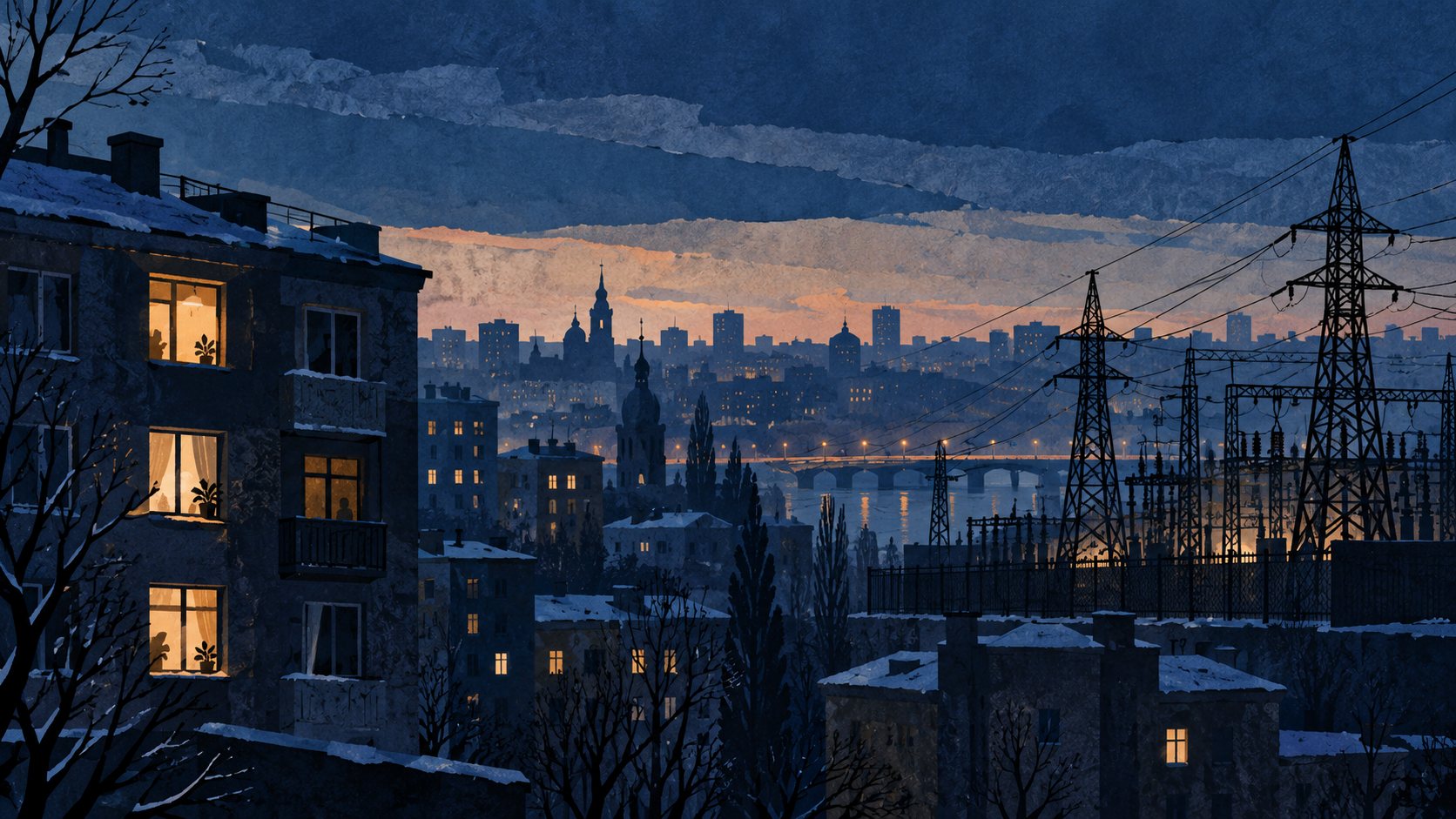
Ukraine: overnight attacks bring casualties and power cuts
A Russian barrage involving ballistic missiles and more than 200 drones struck several regions overnight. Ukrainian authorities reported at least ten deaths and damage to energy facilities; more than 500,000 households lost electricity. Emergency crews are still working, so the toll may change.
Context
President Volodymyr Zelenskyy said more than ten energy facilities were damaged and about 550,000 households lost power. The air force described two waves of attacks: its spokesperson said there had been no advance warning for the first wave, but a warning was received for the second.
Russia said its targets included facilities linked to defence. That explanation has not been independently verified. Repair crews are assessing damage as residents face renewed disruption to essential services.
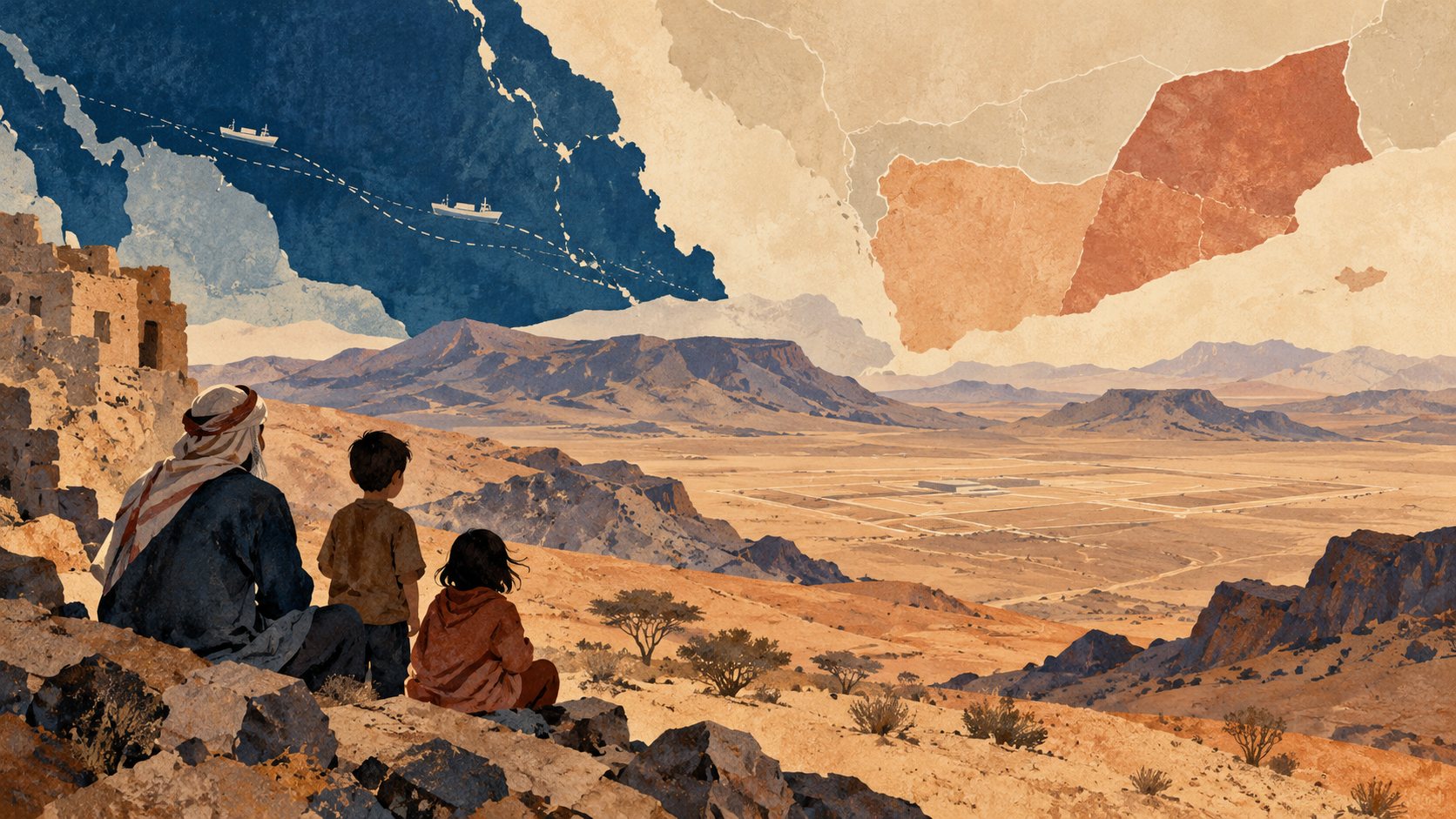
Shabwa’s governor reported 58 people killed, more than 200 injured and 14 missing after an attack on the Al-Alam camp. He blamed the Houthis, who also claimed involvement. The figures come from local authorities and may be revised as identification work continues.
Context
The strike hit the Al-Alam camp during a training activity. Local authorities attributed it to three ballistic missiles; the identity and status of those still missing were being reviewed in the latest available toll.
The attack comes amid a renewed phase of fighting between the Houthis and Yemen’s government forces. Shabwa has energy resources and lies in a country crossed by sensitive maritime routes; there is no indication so far that this strike disrupted commercial shipping.
The International Monetary Fund’s October outlook puts global growth at 3.1% in 2026 and 3.4% in 2027. Global inflation is projected at 4.7% this year, easing to 4.1% next year. The estimates use information available through 1 October and remain exposed to energy, trade and conflict risks.
Context
The headline growth figure is a global average. It does not describe every country’s outlook or mean that households and businesses will experience the same conditions. The report says activity has proved resilient to several shocks, while prospects have become more uneven.
The estimates use statistical information available through 1 October and may not include data released later. Higher energy costs, trade uncertainty and conflicts are among the risks that could shift the forecast.
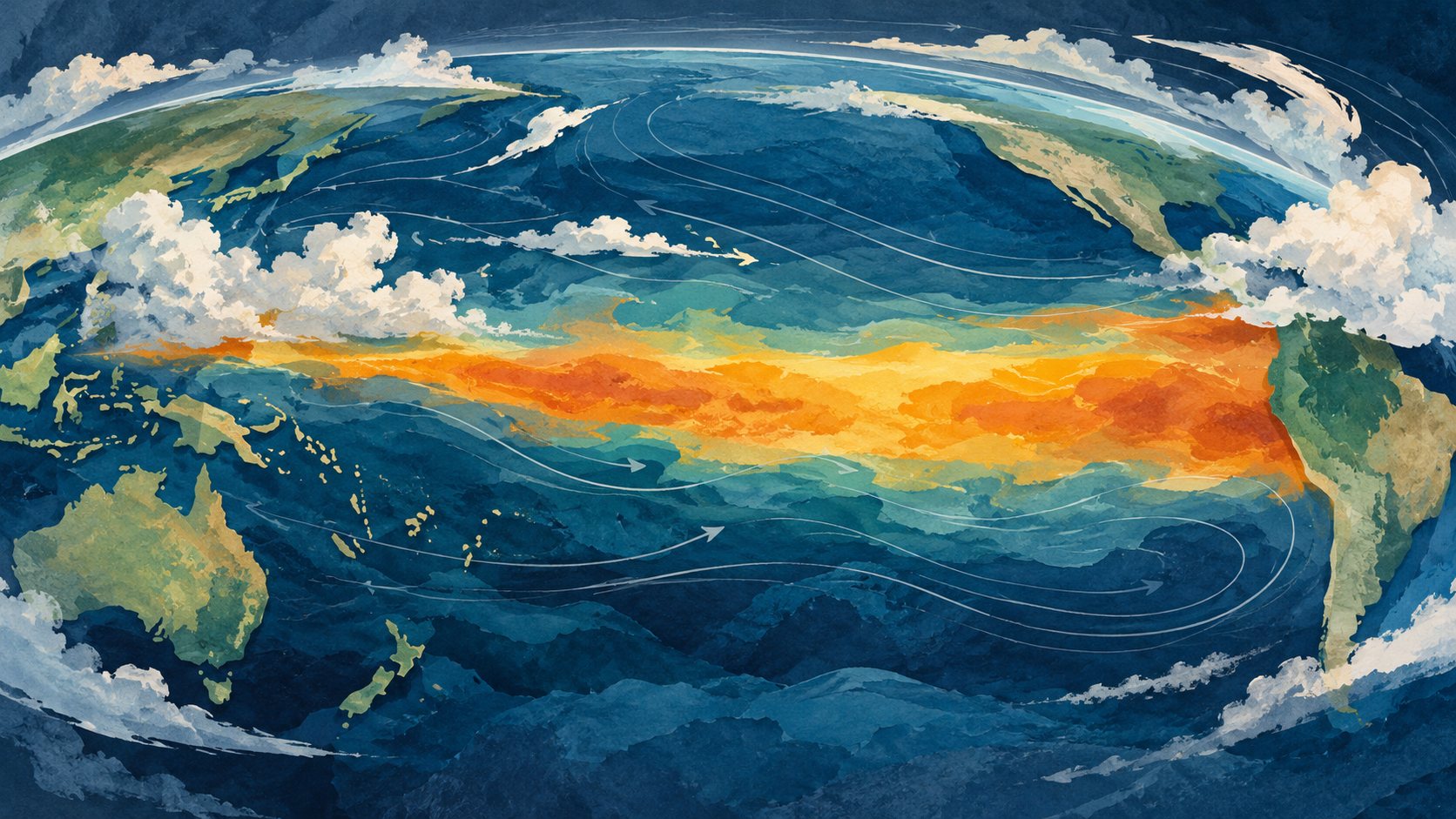
The World Meteorological Organization expects El Niño to strengthen further during October-December. Models put the seasonal average Niño 3.4 anomaly near +3.7°C, with warming peaking around December. This is a seasonal ocean outlook, not a local weather forecast.
Context
The +3.7°C figure is a forecast sea-surface-temperature anomaly for the Niño 3.4 index relative to its climate baseline. It does not mean air temperatures will rise by that amount across the planet.
El Niño can alter rainfall and temperature patterns, but its effects vary by region, season and other climate factors. The outlook supports seasonal planning; it cannot by itself predict the weather in a particular city.